Timeline
Timeline
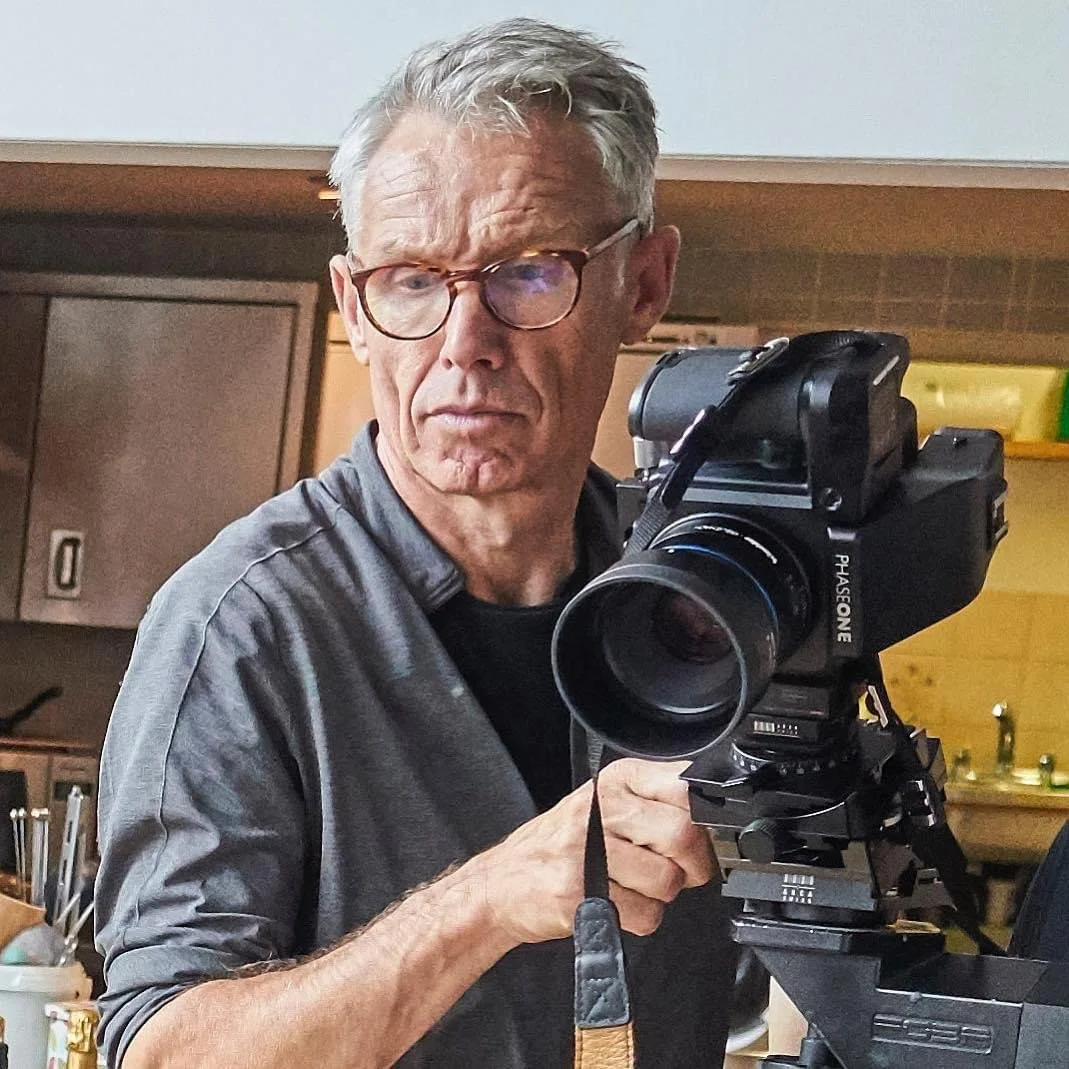
I started Charles Ward Photography in 1985, without any formal training and simply bought a few film cameras, borrowed a space within the farm barn and started photographing a few Barkers shoes. Staring a new business in the mid 80s was a best described as: 'big budgets, bit mobiles and big hair' and it wasn't long before I met up with a few advertising agencies and they gave me work and I was enjoying every minute of it. I made the decision that I would be a commercial photographer, working with business people.
One of my first customers was the Sealed Air Corporation, a huge global packaging company, with UK offices in Kettering, Northamptonshire. Back in 1986, I was photographing their products using film and it wasn’t long before I had created a huge archive of negatives and transparencies, that would be used in brochures or in the trade press. Amazingly, 2026, will be the 40th anniversary of Sealed Air and Charles Ward Photography working together and they remain my oldest and most loyal customer.
This is my HighSight, mast mounted camera system for taking elevated photographs. I took my Mamiya RZ camera along to a local technology company called TV2 (well known for being one of the first companies to add onboard video to F1 cars) and they fitted a small Elmo ‘lipstick’ video camera into my camera’s viewfinder and a clever servo motor to depress the shutter button. Using an 80ft telescopic mast, the Mamiya was then elevated up to 80ft and I would sit inside my van to compose the image via the video link. Once I had the exposure locked, I would then take up to 10 exposures, before reloading.
I was now building a loyal base of customers and it was time to start employing other photographers to expand my business. My first employee was a young girl called Simone Newell, who quickly learnt to photograph country houses for Jackson Stops and award ceremonies for Avon Cosmetics. Next to join us, was another young photographer, called Craig Fraser, who worked with Simone, to become an excellent food photographer. Finally, we were joined by two experienced photographers, called Tracy Harris and Tony Boulton, thus giving me more time to run the business and develop new ideas.
Although, my father had kindly given me the use of his farm barn, the studio space that were were using, badly needed modernising, so we set about building a professional studio, with overhead tracking, new Broncolor flash lighting, Sinar 5x4 large format cameras and Apple Mac computers. The space was finally enhanced with the fitting of a modern wooden floor and new logo graphics on the walls and windows. We named it Farm Studios and the new studio would serve us well for many years to come. Our customers would travel to Farm Studios from all over the country and loved it.
By the late 90’s, our studio was using hundred of rolls and sheets of film each month and these would be processed by a local professional film laboratory called Harvest Studios. I estimate that our monthly film, polaroid (we used polaroids to proof the images, before taking a photography) and processing costs, were approximately £4000 per month. I had seen some very early examples of digital photography, in the form of the Sony Mavica and I was interested in taking the risk, to become an early adopter of this new technology. I contacted a company called Silicon Imaging and we purchased the Leaf DCB.
With our new Leaf DCB digital back fitted to our Sinar P2 camera and an Iris CMYK printer installed, it was now time to find a big customer to keep the new digital camera busy. Tony Boulton was placed in charge of the camera and the new software on the Mac and I decided to invite the marketing team from Doc Martens over to Farm Studios for a demonstration. With a pair of cherry red 1460 classic DM boots placed on the studio table, Tony fired the camera and around 11 seconds later, a digital image of the boots appeared on the large CRT monitor. Needless to say, we got the job with DMs and we ended up working with them for the next 27 years .I think we shot over 300,000 boots!
By the early 2000s, websites were starting to appear and we launched our own site. However, I was far more interested in a. technology called digital asset management, or DAM for short. My team were now generating huge numbers of digital images and I was looking for a method whereby I could allow my costumers to view their photoshoots via an online DM solution.I discovered a Swiss product called Picturepark and immediately took a flight over to view their software. It proved perfect for our needs, so we became Picturepark’s UK distributor and it wasn’t long before both Sealled Air and Doc Martens had their own Pictirepark DAMs,
With Picturepark established as our main digital asset management software for our corporate clients, we decided to embark on a project to develop our own DAM software for smaller clients and I named the project ‘Imageview’. Software development is not for the faint hearted and I soon learnt that software engineers and not only very costly, but also tend to work at night, hence communication is not easy. However, it wasn’t long before we had developed our own system and I am pleased to say that we won a prestigious marketing award for our efforts. We still use Imageview to this day, although I have learnt to adapt existing software, rather than continue to develop my own.
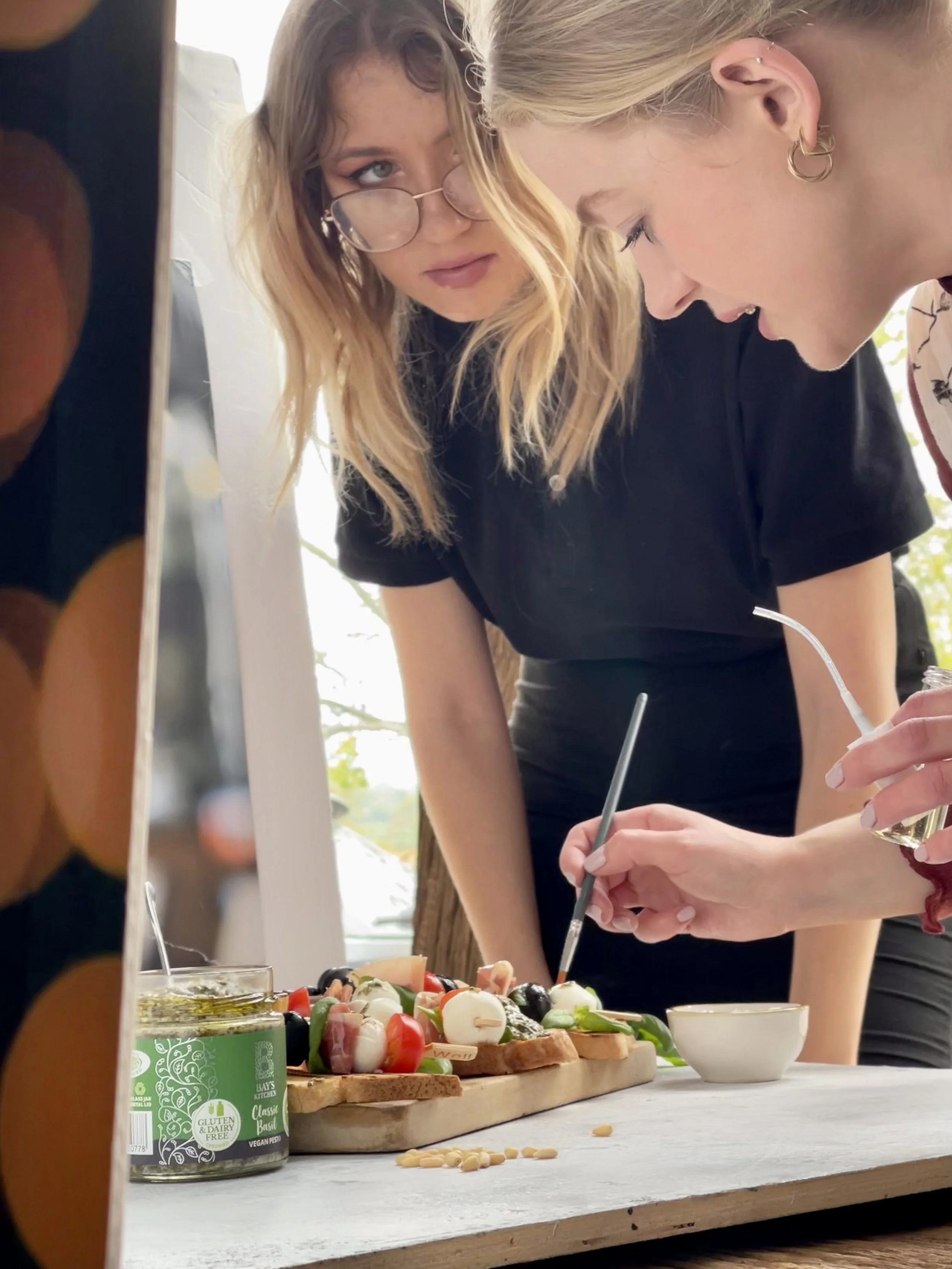
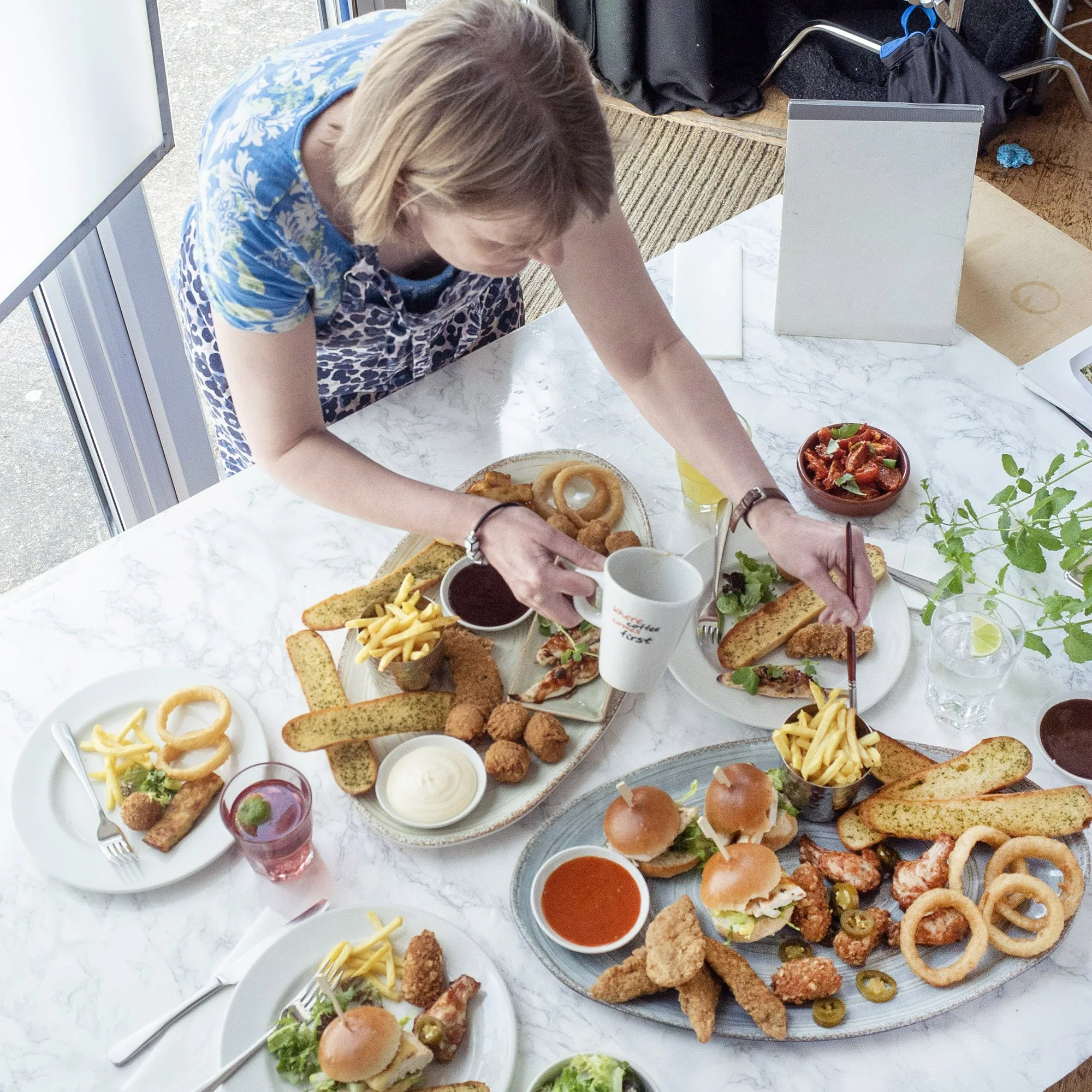
By the early 2000s, we were becoming very well known for our food photography service, with clients such as Greene King, IKEA and a number of food agencies. We were approached by a new food development company called Foodworks, who asked if they could use Farm Studios for the occasional presentation day. In return, they offered to install a professional stainless steel kitchen within our studio and they agreed that we could use it for our food photoshoots. Our chefs and food stylists loved having professional equipment to hand during a busy food shoot and the kitchen has now lasted for over 25 years.
Simone had joined CWP as an 18 year old trainee and became a superb photographer in her own right, Simone could switch from photographing food in the studio, to covering a major award ceremony for Avon Cosmetics and then boarding a helicopter to take aerial photography. Simone’s favourite camera as the Pentax 6x7 film camera and much preferred using a roll of film to digital whenever possible. Simone was hugely popular with the team at CWP and our customers, so we were all devastated when we heard that Simone had been tragically killed in a car accident. Simone was only 29 years old, but is still remembered fondly by us all many years later. Memory page
You might be wondering why a children’s animated TV series is on this page, so allow me to explain. There is a saying in business, that you should never desert your ‘cash cow’ and I guess I became far too obsessed with this idea, that I did indeed neglect CWP for a while to see the animation developed. The story of The Salties and Pip Ahoy! is far too long for this timeline and you can read more about it’s history here. However, I did see my initial idea become a hit TV series, starring Sir David Jason and Stacey Solomon. The team behind Pip made 78 x 11 minute episode and a Christmas special. Unfortunately, it failed to monetise and I keep the shows as a memory on Pip’s YouTube.
Following Simone’s untimely death and my ‘excursions’ into the world of animation in Manchester, my photographic team split up. Craig went on to start up his own very successful food photography studio called Frasershot. Tracey left to become a driving instructor and Tony retired to live on the Canary Island as start his own rock band. I was back working on my own, with a. good friend called Kim Gibson helping me as an assistant. I was walking the dog around the block one evening, when I met David Jeffery - the sales director at Trickers Shoes in Northampton. Knowing that I loved to photograph shoes, David invited me to take some pictures of his shoes and I readily accepted.
I was proud to reach the 40th anniversary of my company in 2025. The pandemic had a huge effect on many businesses, mine included, but I am still taking pictures and had no intention of retiring just yet. Farm Studios in Earls Barton had served me will for the past 40 years, but a big change was about to happen. My dear Mother Jillian died in April and the family decided that we needed to sell London End Farm, including my studio. I would either need to retire, or look for an alternative studio. Trickers kindly offered me space within their factory and I am now happily installed, photographing their shoes and Sealed Air’s packaging.
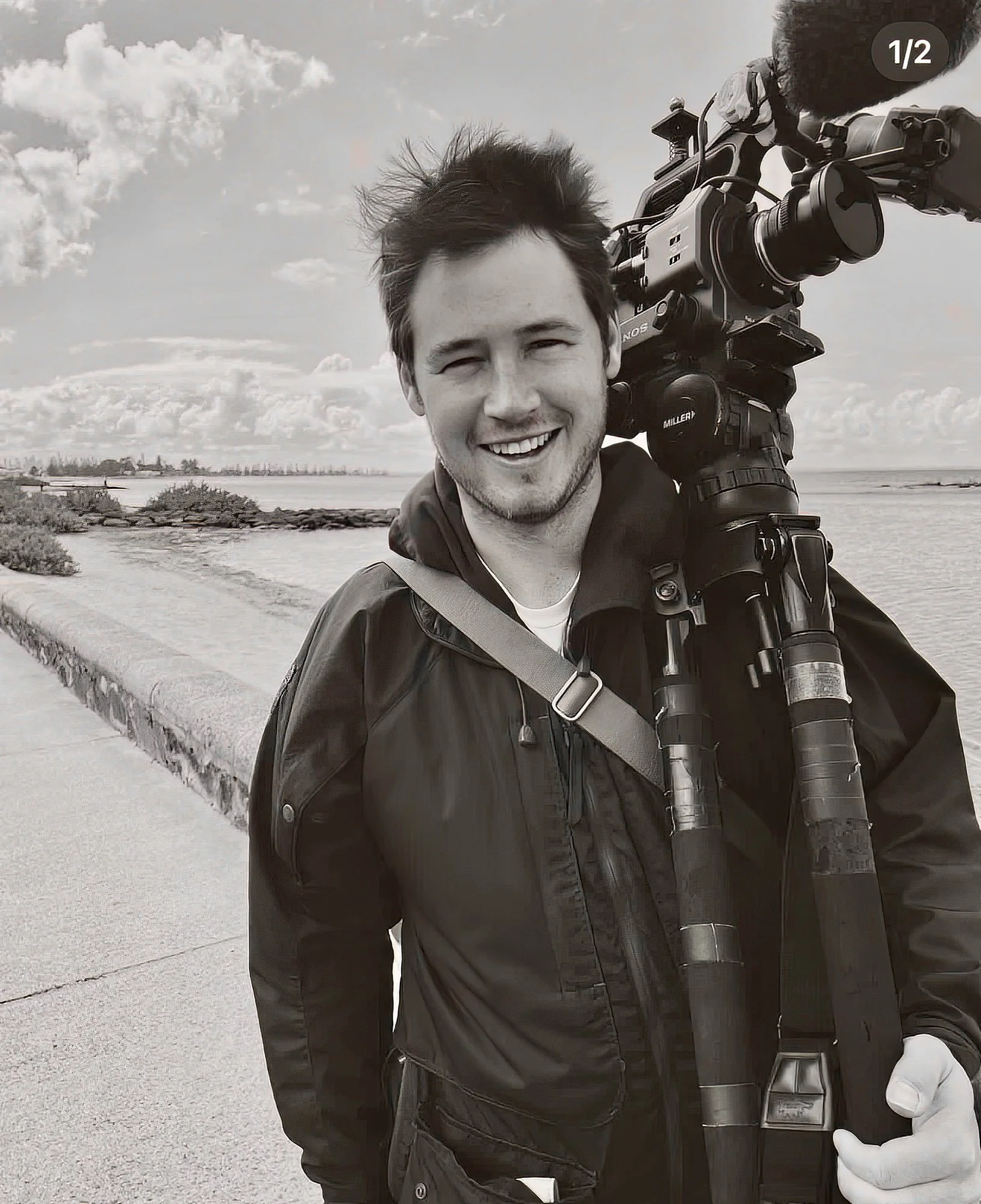
My son James has worked with me at Farm Studios, before moving with his family to Edinburgh and setting up his own award winning filmmaking business, called James Ward Films. Do check him out when you have a minute. James is also an excellent stills photographer, so it makes sense for him to start to take over CWP and keep the name going for many more years. I will be keeping this website going as more of an historical record of 40 wonderful years behind the camera, so please do contact James in future. Which just leaves to be say a huge thank you to friends, employees, customers and suppliers from the past. It’s been the best 40 years!